Build a Brand People Believe In
Six structures borrowed from religion that explain why some brands get customers and others get converts.
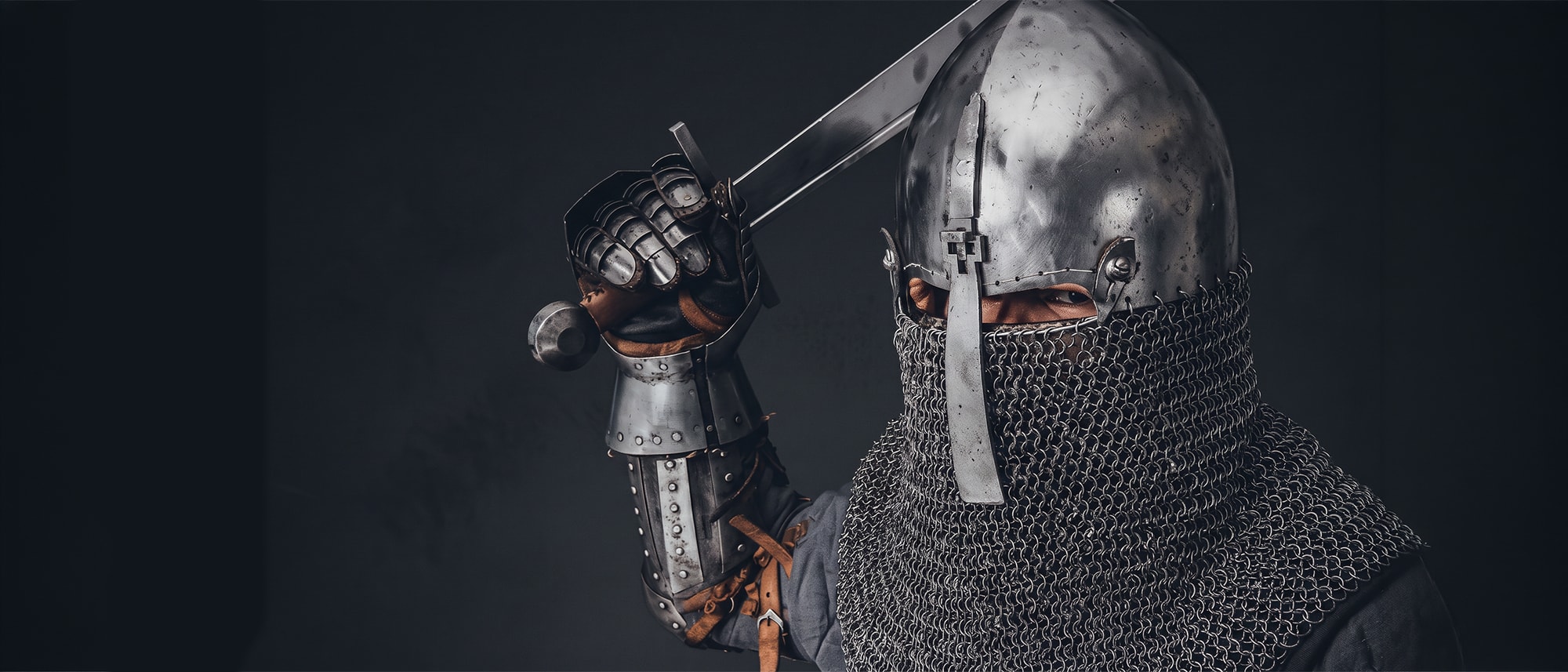
Most brands are trying to be liked. That is the problem.
Being liked gets you a customer who leaves when a competitor drops their price by ten percent. Being believed in gets you a customer who argues with strangers on your behalf. Those are not the same asset, and they are not built the same way.
The institutions best at manufacturing belief are not businesses. They are religions — running the same playbook for thousands of years, across every culture on earth, with a retention rate no brand has matched. Patrick Hanlon named this pattern in Primal Branding, and it holds: every durable belief system is assembled from the same handful of parts.
Six of them.
01. In the Beginning
Every belief system opens with a creation story.
George Hurst, co-founder of Kenya Breweries, was trampled to death by an elephant in 1923 — a year after he and his brother Charles bet their prospecting savings on a brewery. Charles named the beer Tusker in his memory and put an elephant on the label. A century later, the logo is unchanged and most Kenyans still know why.
Compare that to the origin story on your About page.
A creation story gives customers something to repeat, and belief spreads through repetition rather than advertising. It also makes the brand a protagonist instead of a vendor. Nobody is loyal to a vendor.
Ask: What almost went wrong? What did the founder risk that a sensible person would not have?
02. Heaven
A higher ideal sitting above the product.
Functional benefits are copyable — a competitor matches your feature list in a quarter. An ideal is not, because it is bound to your story, your leader, your rituals. Lift one piece without the rest and it reads as plagiarism.
The clearest version of Heaven is membership. When someone buys, what club do they join? If the answer is "a customer," you have built a checkout page, not a belief.
Ask: If our product succeeded completely, what would be different about the world?
03. Oh Yes, We Have Rituals
Repeated moments that carry meaning beyond function.
Unboxing an iPhone is a ritual. It serves no purpose — the phone works the same whether the box opens smoothly or you tear it apart. Apple spends real money engineering a moment that does nothing except feel like something.
This is the cheapest element on the list. A ritual can be how your team answers the phone, the way an order is wrapped, a phrase used at handover that exists nowhere else. Repetition with intent, not spectacle.
Ask: What does a customer encounter more than once? Have we designed it, or is it just happening?
04. Where Are the Pagans
Every belief system is defined partly by who it excludes.
This is the uncomfortable one, and it does the most work. A brand that stands for everyone stands for nothing. Identity requires contrast — believers are a category only because non-believers are.
The default posture in this market is universal appeal: "quality service for all your needs," a positioning statement that positions nothing. The brand willing to say this is not for everyone creates an in-group by the same act.
Reject a mindset, not a demographic. "Not for people who settle for mediocre work" builds belief. "Not for people who cannot afford us" builds resentment, and it will find you on Twitter.
Ask: Who are we deliberately not for? Can we say it out loud without flinching?
05. Fear of Hell
A clear cost to staying outside.
If Heaven is what customers gain, Hell is what they avoid. A brand with only the upside is telling half a story.
The distinction that matters: manufactured panic is manipulation and customers smell it. Naming a real cost is honesty. Describe the ordinary, grinding version of the loss — the slow one already happening — not the dramatic one.
Ask: What is genuinely at stake for someone who does nothing?
06. The Messiah Cometh
A visible human at the centre.
Abstractions do not inspire devotion. People do. Every belief system has a figure who embodies the ideal so followers have a face to attach it to.
Most founders avoid this because the obligation is real — if you are the face, your behaviour is brand behaviour. But you do not need to be a global icon. You need to be visible, consistent and human within your own market. Most founders here are invisible behind a company logo, so the bar is low.
Ask: Whose face would someone associate with our brand? If nobody, that is a gap.
What It Costs
Every element here is a commitment, and commitments have prices. A creation story means admitting the messy parts. Pagans means losing business you could have won by being agreeable. A visible leader means your conduct is now an asset with downside.
Take only the comfortable half and you get the worst outcome available — the language of belief without the substance. Customers detect it immediately, and that credibility loss is worse than never trying.
One honest limit: if you sell a true commodity, or compete on procurement scorecards, a better operational story beats a belief system. Know which game you are in.
But where several credible options exist and buyers choose on something they cannot quite articulate — that unnamed thing is belief. Someone in your market is building it right now, deliberately or by accident.
Better it be you, and better it be deliberate. It also helps to be building from a single clear idea rather than a list of ten services — see why one idea beats a list — and if the name itself is still unsettled, start there.
Adapted from Patrick Hanlon's Primal Branding, filtered through the brand strategy work we do at House of Kogi.
If you could not answer three of the six questions above, that is worth a conversation. Let's talk.
Put this into practice — free.
The Premium Brand Checklist: 24 checks that make a brand feel worth ten times its budget, before you spend it. Yours with the newsletter.
More from the studio floor
One Big Idea
Most businesses tell customers everything they do and get remembered for nothing. The discipline of choosing one idea — and building the whole brand around it.

Naming your business: a founder's field guide
A good name is an asset that compounds; a bad one is a tax you pay on every ad. How we run naming sprints that end in something you can own.