One Big Idea
Most businesses tell customers everything they do, and get remembered for nothing.
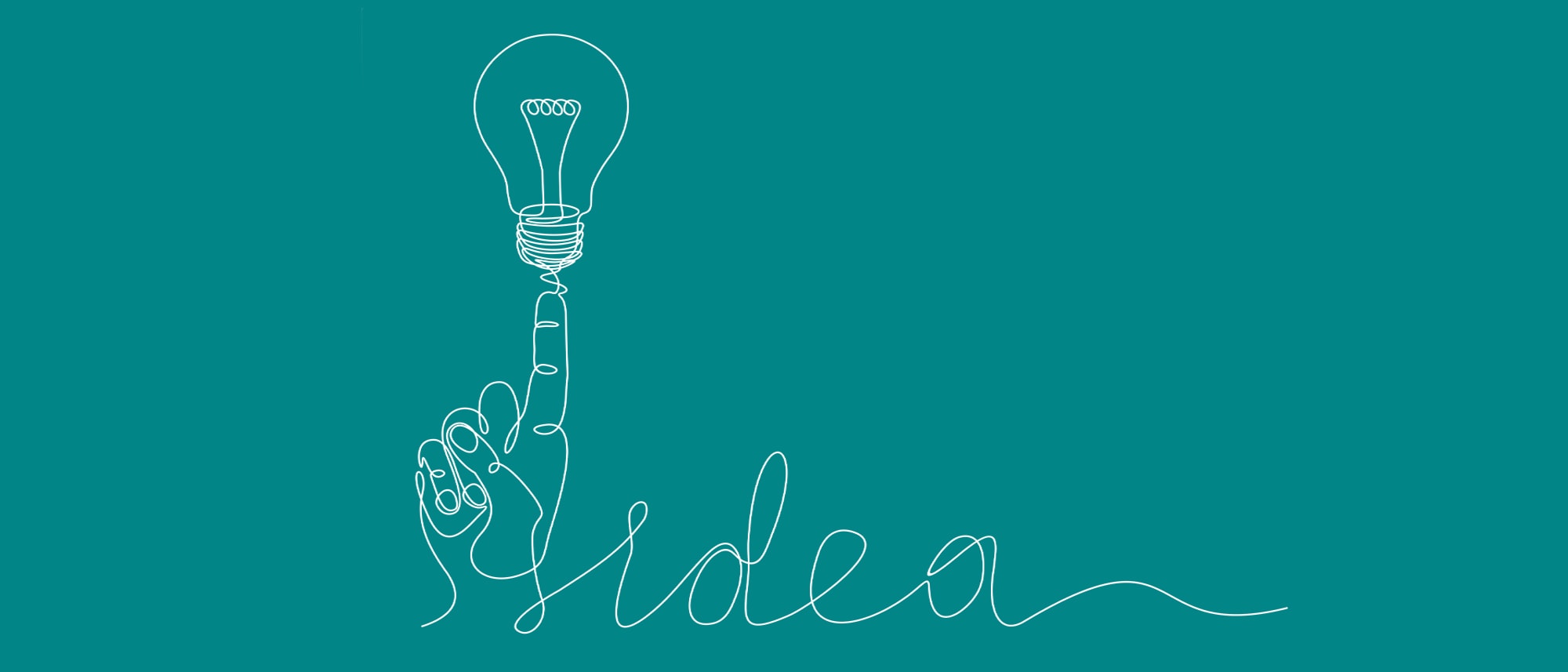
Your business can do many things. Your brand should be known for one.
Most owners resist this, and the resistance sounds like a list. We do design, and websites, and printing, and events, and social media, and consulting. Every item true. Every item added in good faith, because leaving one out feels like turning away work.
The list is the problem. A customer cannot hold six things about you in their head. They can hold one.
The difference between doing and being known for
This distinction is where most of the confusion lives, so it is worth being precise.
What you do is your capability — the full range of things your business can competently deliver. Keep all of it. Nobody is asking you to fire clients or drop a service line.
What you are known for is a single idea that lives in the customer's mind, occupying the space where your name sits. It is what surfaces when someone thinks of a category and your business appears, or does not.
You can do ten things and be known for one. That is the goal. What you cannot do is be known for ten things, because that is not how memory works. The mind files brands under one heading, and if you do not choose the heading, the market chooses one for you — usually "cheaper," which is the worst one available.
What it looks like in practice
Say you sell children's toys.
You could be known for durability, or affordability, or safety, or educational value. All defensible. Pick one — let's say nurturing children's imagination.
Now the idea has to show up everywhere, or it is just a line in a strategy deck. The toys themselves get designed for open-ended play rather than single-outcome play. The packaging talks about what the child will invent, not what the box contains. The tagline follows: power to imagine. The retail experience, the way your team describes the product, the photography, the reason a parent gives their friend for recommending you — all of it points at the same idea.
That is the actual work. Choosing the idea takes an afternoon. Replicating it across every point a customer touches your brand takes years, and it is the part most businesses skip.
Volkswagen has been doing one version of this since 1959, when the Beetle's advertising stopped competing on size and power and simply asked buyers to Think Small. Decades on, the brand still sits in most people's heads under something close to sensible German engineering. One idea, held for a very long time.
The objection
Every business owner we work with arrives at the same worry: if I only talk about one thing, I will lose the clients who need the other things.
In our experience the opposite happens. Being known for one thing is what gets you in the room. Once you are in the room and trusted, clients ask what else you do — and they buy the rest. The narrow message opens the door; the broad capability keeps them. Reverse the order and you get neither, because a business that leads with everything gives buyers no reason to remember it at all.
There is a cost, and we should be honest about it. Choosing an idea means some enquiries will not come. If your one idea is craft and rigour, the buyer shopping purely on price will skip you. That is the mechanism working, not failing.
Three questions
If you want to test where your brand currently stands:
What would a customer say you are known for? Not what you want them to say. Ask five of them and write down the actual words. Most owners are surprised.
Does everything we make reinforce that? Your website, your proposals, your packaging, how the phone gets answered. Anything that points somewhere else is diluting the idea, however good it is on its own.
Could a competitor claim the same idea? If yes, it is not an idea, it is a category description. "Quality service" belongs to everyone, which means it belongs to nobody.
Choosing is uncomfortable, because it means letting go of ideas you like in order to own one properly. But a brand remembered for one thing beats a brand vaguely respected for several, every time.
It is also just the starting point. The harder, longer work is turning that one idea into something customers actually believe in, not just recall — and for a lot of founders, the discipline starts even earlier, with the name itself.
Adapted from a piece we published in 2020, with a nod to Allen P. Adamson's BrandSimple.
Not sure what your one idea is? That is usually the most valuable conversation a business can have. Let's talk.
Put this into practice — free.
The Premium Brand Checklist: 24 checks that make a brand feel worth ten times its budget, before you spend it. Yours with the newsletter.
More from the studio floor
Build a Brand People Believe In
Loyalty is a transaction. Belief is an identity. Six structures every belief system shares — and how to build them into your brand.

Naming your business: a founder's field guide
A good name is an asset that compounds; a bad one is a tax you pay on every ad. How we run naming sprints that end in something you can own.